Pages

Thursday, January 10, 2019

Day 2: protecting our own

Activity 1: A Flying Fox


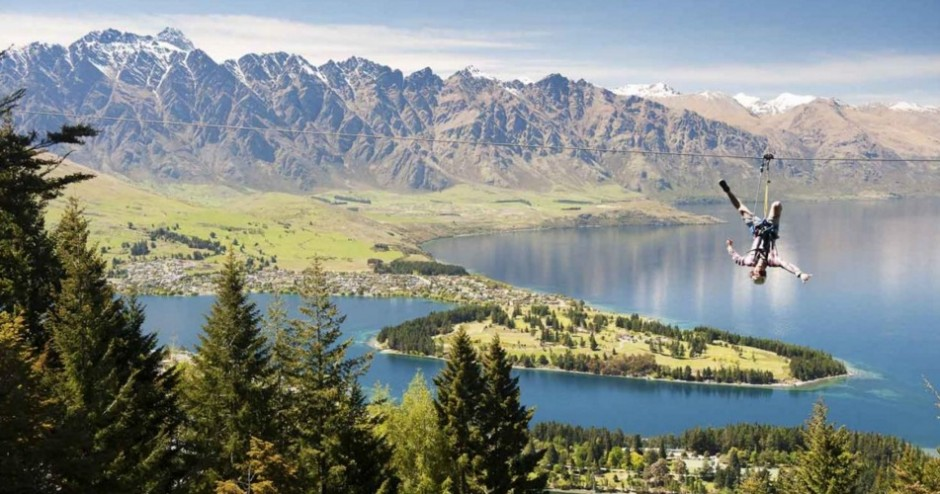
New Zealand has some of the most beautiful forests in the world. Both New Zealanders and tourists, alike, enjoy walking through these forests. Unfortunately, constantly walking through forests can damage the plants and animals (flora and fauna) that live there. In an attempt to protect the local flora and fauna, an eco-tourism company in Rotorua came up with an idea. The Rotorua Canopy Tours Company designed a series of ziplines that sit above the forest canopy (top). People can ‘zip’ from one section of the forest to another, looking down on the beautiful natural areas below. To see what ziplining looks like, check out this video.
I have tried ziplining and I really enjoyed it, however, I must admit that I was pretty scared to try it at first. How would you feel if you had the chance to go ziplining in Rotorua?
On your blog, tell us how you would feel about going ziplining in Rotorua. Try to use some descriptive words (adjectives) and action words (verbs) in your post!
I would feel very fearful but a little bit ecstatic too. With all the nature around there will be lots to observe, zipping by. Also the scenery would be breath taking. Would love to go on the zipline.


Activity 2: A Protective Plant
There are concerns about the water quality of some of the rivers, streams and oceans in and around New Zealand. Some people have suggested that we plant flowers and plants on the banks of our most polluted rivers to stop the spread of the pollution. Apparently, the plants can act as filters, absorbing some of the chemicals (pollutants) that are moving across the land, on their way to the river.
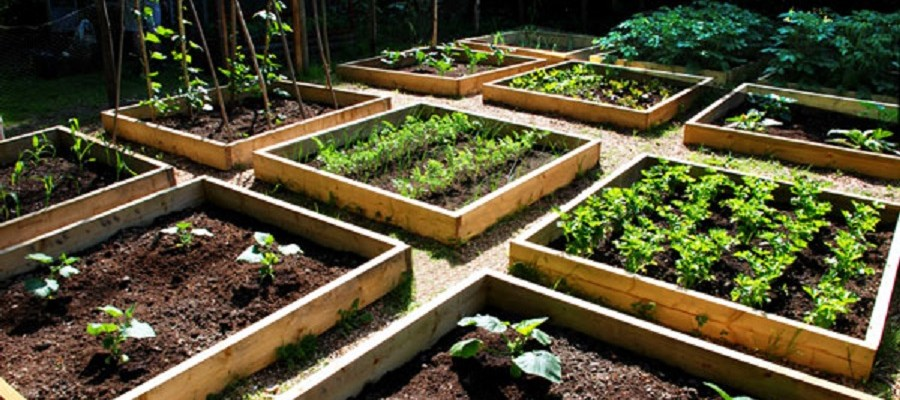
Planting can be a lot of fun! Have you ever planted a garden? Aronui and I are going to make our very own edible garden this year. We are going to plant a number of veggies, fruits and herbs, including mint, coriander, parsley, lemongrass, onions, tomatoes, beans, zucchinis, kumara and strawberries. Yum! If you could plant an edible garden what would you plant in it?

On your blog list 10 veggies, fruits, or herbs that you would plant in your garden.

Top 10 veggies, fruits or herbs.

Number 10: Tomatoes (even though I don't really like them)
Number 9: Zucchinis
Number 8: Spring onions
Number 7: Onions in general
Number 6: Cabbage (probably green)
Number 5: Lettuce
Number 4: Cucumbers
Number 3: Raspberries (would be nice to try out)
Number 2: Peas
Number 1: Strawberries (I left strawberries for last because their my favourite)

Activity 3: A House is Not a Home

New Zealand is home to some unique wildlife that cannot be found anywhere else in the world. While we work very hard to protect our natural habitats so, too, do people living and working in other countries. One of the oldest international wildlife conservation organisations is called ‘Fauna & Flora International’ (FFI). They support a number of projects around the world, including those working to protect Lansan trees in the Caribbean, fruit forests in Tajikistan, and national reserves in Mozambique. Read about each of these projects and choose the one that interests you the most.
On your blog, tell us which project you find most interesting and why.

The Lansan tree project because the Lansan tree has many reliable uses. Some of the uses are quite out of the ordinary. They are also used for cultural purposes. It is a shame that people are chopping these trees down. 

Tuesday, January 8, 2019

Last week of SLJ!!!! Protect and preserve

Over the past three weeks we have been learning about our amazing environment(s). There are so many incredible plants, animals, and natural wonders to enjoy here on earth. If we want to keep enjoying them, however, we need to be careful and thoughtful about what we do and how we act.
This week we are going to talk about what we can do to protect, preserve, and sustain our natural world. We are going to become ‘nature ninjas!’

Day 1: Preserving the past

Activity 1: World of Wearable (WOW) Art
If we want to protect our natural world, we must be thoughtful about what we make, how we make it and how we dispose of it (throw it away). At the moment, the waste in New Zealand is separated into two main categories: 1. Recycled items (eg. bottles, cans, paper) and, 2. Non-recycled items (rubbish). Most of the rubbish is collected by rubbish trucks and taken to a rubbish tip (landfill) where it is dumped and never used again. Much of the recycled material is to taken to a place where it is sorted, separated and sent out to be used again.
The idea of reusing materials was taken to a whole new level by a woman named Dame Suzie Moncrieff who, thirty years ago, created an event in New Zealand called the ‘World of WearableArt’ (WOW). WOW takes place in Wellington (and in other cities) every year. Artists from around the world create outfits made entirely from recycled materials.
Let’s imagine that you were invited to this year’s WOW awards and you were able to interview the creator.
On your blog, list five interview questions that you would like to ask Dame Suzie Moncrieff.
What gave you the idea to create WOW?
Did you collaborate with anyone to create WOW? If you did, who?
What was your first dress you made and what material was it made with?
How long does it take to make a dress?
What is the process of making a dress?

Activity 2: Guardians of the Sea
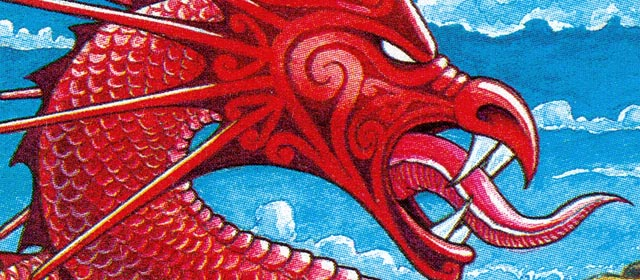
One of the largest rivers in New Zealand is called the Waikato River. It is found in the central part of the North Island of New Zealand. The river (awa) was given the name ‘Waikato’ (meaning flowing water) by a group of men and women from the Tainui iwi who, legend has it, travelled down the Waikato years ago and settled in the area. According to Māori legend, the Waikato River has hundreds of taniwha (mythical water spirits) living in it, guarding the sea.
Unfortunately, the Waikato River has become polluted in recent years and is, sometimes, closed to the public. This is very upsetting for many people, especially for those who believe that taniwha live in the river. Please click here to read about taniwha and watch this short video about taniwha.
Once you have finished learning about taniwha go to your blog.
On your blog tell us whether, or not, you believe that taniwha exist. Be sure to explain to us why you feel this way.
I do because our ancestors wrote stories about the encounters with the taniwha. It would be a bit scary to see a taniwha but if you were brave enough you might even make a new friend.

Activity 3: The Sky in Shanghai
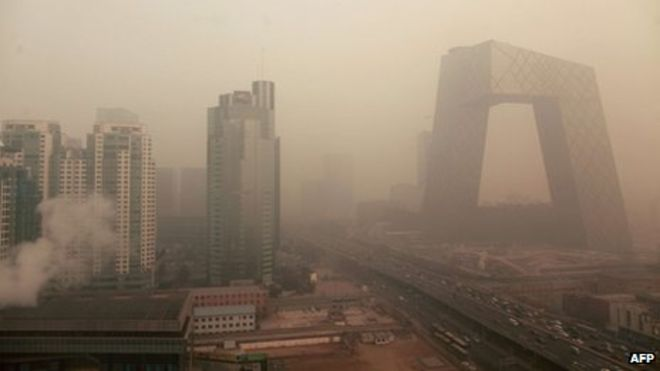
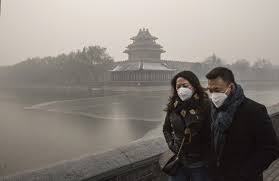
One day I would really like to travel to China. It is a country with a rich history, vibrant cities, tasty food, and fascinating architecture (buildings). Unfortunately, some of the largest Chinese cities have high rates of air pollution. The air pollution in Beijing, one of the largest cities in China, can get so bad that roads are closed, flights are cancelled and events are postponed while they wait for the smog in the air to clear. The terrible pollution is also having fatal (deadly) effects as, approximately, 1.1 million people in China died last year from air pollution-related causes. The Chinese government is very concerned and they have introduced a number of strategies (ideas) to reduce the pollution levels. Imagine that you were asked to travel to Beijing. How would you feel?
              
On your blog, write a poem that describes your feelings about travelling to Beijing, China.

Visiting China might be fun
In my opinion China looks awesome
Still, there is a nagging voice in my head
I hear of the huge amounts of pollution
That causes deaths of millions of people
I am still fine about going to China
Never have I declined an awesome opportunity to go to a new country
Going to China might be the most awesome thing I have ever done.

Friday, January 4, 2019

Day 5: Here to stay

Activity 1: Persistent Pollution
In 2016, the World Health Organisation announced that Timaru, a small town in the South Island of New Zealand, had the highest recorded levels of air pollution in New Zealand. Some of this pollution was caused by natural events (eg. fires) but most of it was produced (made) by humans.
Watch this short video on air pollution. It will tell you more about natural and human causes of pollution.
On your blog, share three new things that you learned about air pollution from this video.
Algae is a natural cause of pollution. I never knew that.
4 of the causes of global warming is carbon dioxide, Methane, Nitrous oxide and Fluoridated gasses.

There is 2 causes of smog, Sulphurous (caused by burning coal which is used for steam trains) and photo chemicals (also known as ground level ozone, is caused when sunlight, nitrogen oxide, volatile organic compound is mixed together).


Activity 2: Changing Climates
Over the past decade, the climate in New Zealand (and around the world) has been changing. In fact, the climate has been getting warmer and warmer. While many of us like warm weather, climate change is not good news. Higher temperatures can cause glaciers to melt (leading to flooding) and increase the amount of rain that falls.
Here in New Zealand, we have noticed the change. In fact, we sometimes have torrential (huge) rain storms causing flooding, landslides and road closures. When it starts to rain really hard, Aronui and I usually hide out in our lounge and play games like Yahtzee, Monopoly and Uno. If it rains all day, we will also spend some time reading, watching movies and baking.
What about you? What do you like to do on a rainy day?  
On your blog, tell us about five things that you like to do when it is too rainy to go outside.
Play on my iPad (if the rain hasn't caused the wifi to stop). Otherwise, colouring in my colouring book.
Writing important things that I need to do during the week (yes, I do that).
Cleaning my room, making it more organised (and yes, I do that too)
Reading books (mostly my Rick Riordan books)
Drawing or organising in general :)

Activity 3: Let It Rain
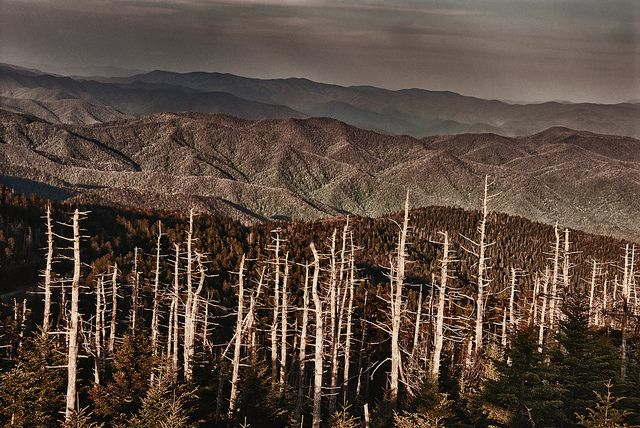
Over the past few decades, we have seen an increase in the amount of rain that falls here in New Zealand. We are lucky, however, that most of the rain that falls is regular rainwater and not polluted acid rain. Acid rain is rain that has bad chemicals (pollutants) in it. When acid rain hits the ground it can enter the water system, killing plants and animals. Click here to learn more about acid rain.

Let’s imagine that New Zealand was hit by a massive acid rain storm. Acidic rain fell for three days and three nights. When the rain fell, you stayed inside with your friends and family. When it stopped, however, you and your family decided to go for a walk outside. You opened the door and...

On your blog, write a short story about what happened when you opened the door and walked outside after the acid rain storm. To earn full points, you must write a story that is 8 – 10 sentences long.
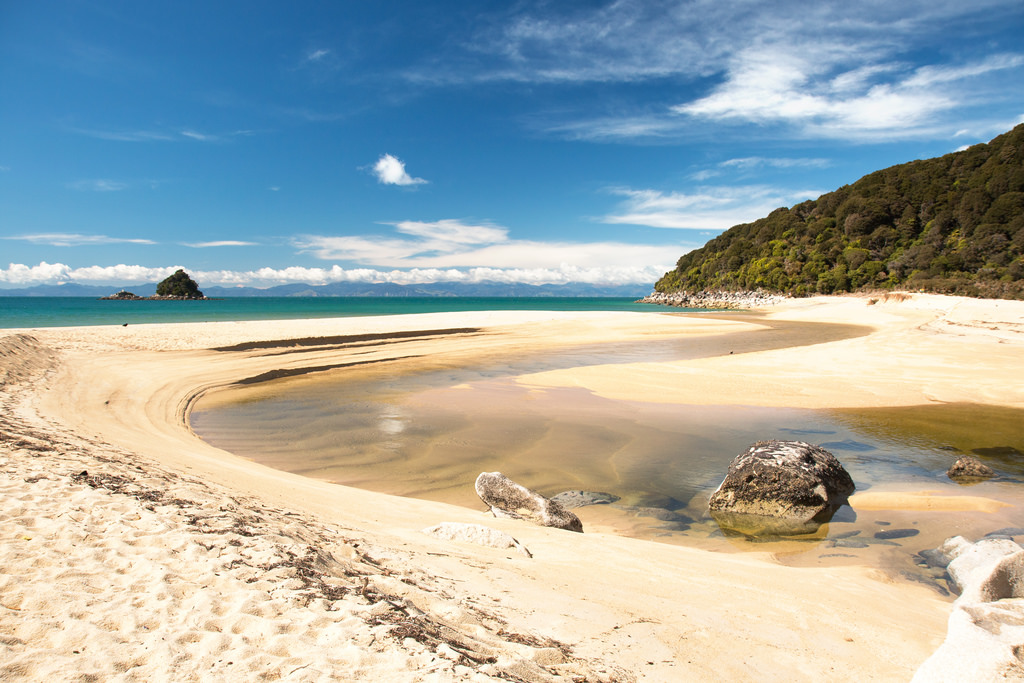
We opened the door and took our first look for the first time in 3 days and it was as if we stepped into a whole different work. The lush green grass was no longer vibrant green. It looked as if the temperature had risen by a 1000 degrees. It look the same for the trees. Animal carcasses were littered around trees. The only animals that we alive were pets. The trees also looked like they had been baked with only the skeletons remaining. The beach no longer had any water (now this would of definitely would of upset me if this was really because I'm a water baby) which looked like we wouldn't be swimming in any time. Our faces were full of sadness. We all wished we had the power to reverse time.
Next week is the last week of SLJ 😞


Thursday, January 3, 2019

Day 4 (this is a late one because I didn't complete this activity): Like a scene out of a movie

Activity 1: The Southern Lights
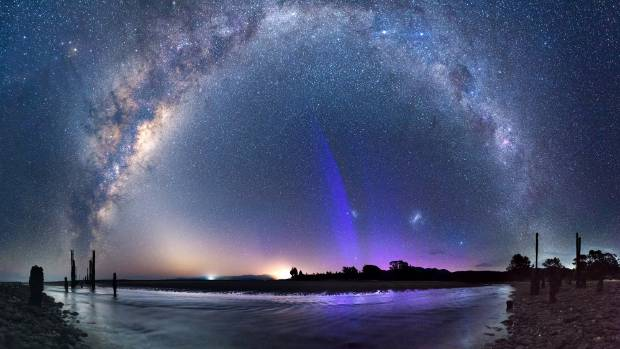
Once in a while a very special event takes place in New Zealand. It is a show of beautiful, bright lights that appear in the sky over the South Island. The lights are called the ‘Aurora Australis’ or ‘Southern Lights.’ They are similar to the ‘Northern Lights’ that are often seen in places like Northern Canada, Iceland, Sweden, Finland and Denmark. The southern and northern lights are so stunning that they often leave people, who are watching them, speechless.
For this activity, you are to write a short acrostic word poem about the beautiful lights. Hazel has written an acrostic poem about summer to give you an example.
S - Sun outside,
U - Umbrellas in the sand.
M -  My friends and I, having fun,
M - Making sandcastles,
E - Enjoying ice cream on a hot day,
R - Racing to the beach!
On your blog, use the word ‘LIGHTS’ to write an acrostic poem about the Southern Lights. Be as creative as you can!
For more information and examples of acrostic poems, check out this poetry website.

Lights as far as the eye can see
It attracts tourists all over the world
Going with friends and family
Heaps to see and do
The Southern Lights is a marvel to see
So why don't you go and see for yourself


Activity 3: Crazy, Cool Clouds [5 points]
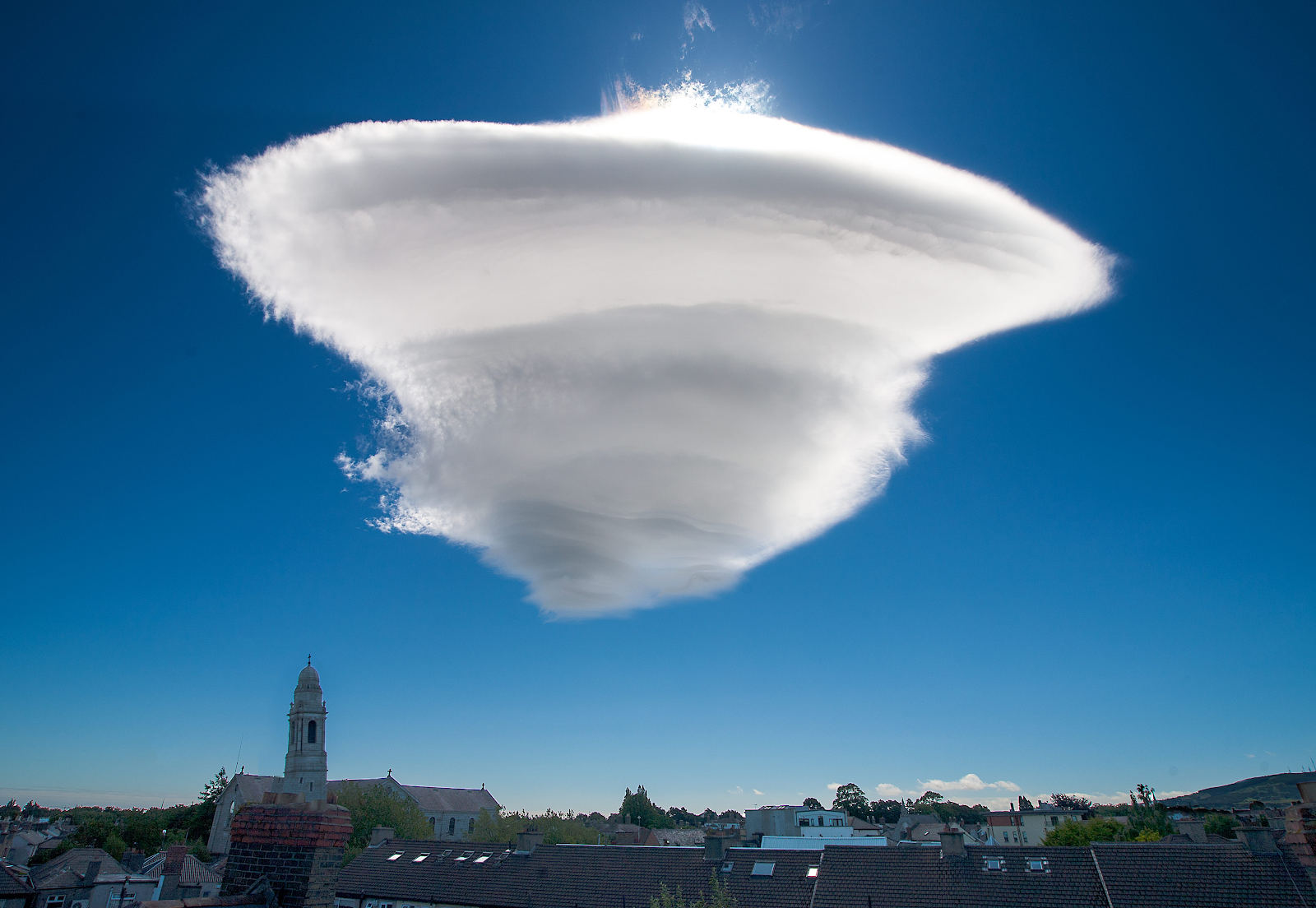
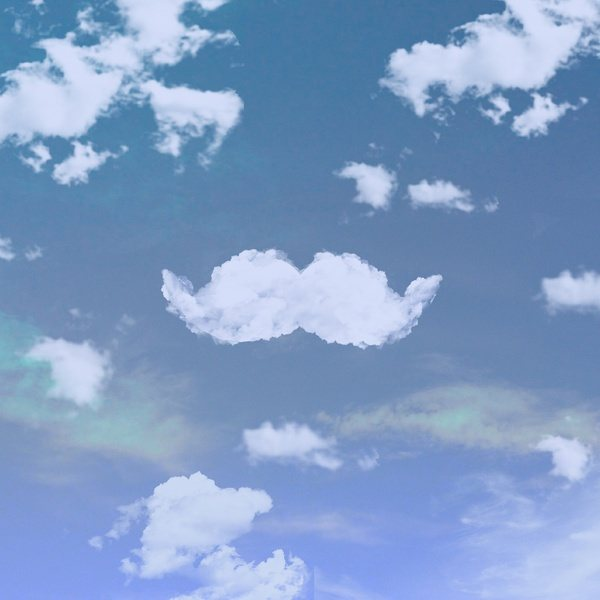
Have you ever looked up into the sky and seen a cloud that had a really cool shape? I certainly have, and so have dozens of other people. Take a look at the three pictures of crazy, cool cloud formations below.


From left to right: Picture 1, Picture 2, Picture 3
Clouds are formed when small drops of water stick together. To learn more about clouds and how they are formed, you can watch this cool video. Once you have learned about clouds, please choose your favourite cloud picture.

On your blog, tell us what you see in the photo. What shape(s) do you see? Be sure to tell us which picture (1, 2 or 3) you have chosen and describe what you see in lots of detail!


I chose picture 2.
This cloud has a very wacky structure. It must of taken a lot of water vapour to make. Most people might think it is a U.F.O and some might think it's a very funky looking, upside down pancake stack. There are many different ways to make out this cloud, not just my two examples.

Wednesday, January 2, 2019

Day 3: Taking flight

Activity 1: Bird of the Year!
Aotearoa New Zealand is home to many different kinds (species) of native birds.  Sadly, about a third of our native bird species are at risk of disappearing forever (becoming extinct).
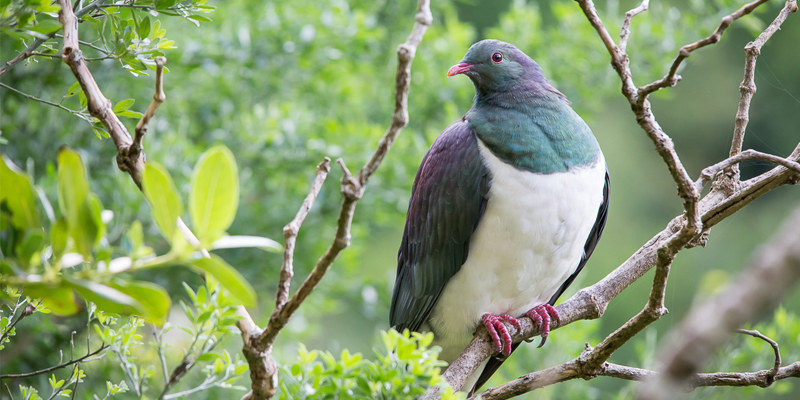
Each year, Forest and Bird New Zealand hold a ‘Bird of the Year’ competition where people can vote for their favourite native bird. This year, the winner was the kererū (or woodpigeon).
Go onto the Bird of the Year website, look through the native birds on the site, and choose one that interests you.
On your blog, write a short description of your bird. Where does your bird normally live? What does your bird normally eat?  Post a picture of the bird underneath your description. Be sure to attribute your picture properly.
This honeyeater is endemic (native to) New Zealand. It mostly lives in Northland but it also lives in an adjacent (next to) area near Northland. 
Honeyeaters have a diet of nectar, sometimes insects, pollen, berries and sugary exudates (sap) of plants and sugary secretions of plant bugs (pysllids). 


Activity 2: Flying Foxes
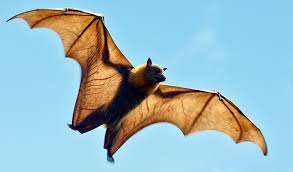
Not only is New Zealand home to many native birds but we also have a number of native bats. Some of these bats are really small while others are much larger. None, however, are as large as the largest bat in Australia. It is called the flying fox (pictured below) and it has a wingspan of up to 6 feet or 2 metres. Wow! That is taller than most of us!
Flying foxes usually sleep during the day and hunt for food at night, using their ears to guide them through the darkness. Like other bats, they have the best hearing of any mammal. It is their ‘superpower.’
If you could have a superpower, what would it be? If I could choose, I would like to be able to fly. It would make it possible for me to fly back to Canada and visit my family whenever I wanted. How amazing would that be?!
On your blog, tell us what superpower you would like to have and why you’d like to have it.
I think I would want super speed so I my chores wouldn't take so long. I could do fun things with my family and I might even be able to run from Paihia all the way to Auckland. It would save money and time.

Activity 3: Wind Beneath My Wings
Birds and bats are just two species of animal that are able to fly. Did you know that some fish, squirrels and snakes are also able to fly? Check out the ‘Top 10 Flying Animals of the World’ website to learn more about these incredible animals.
Once you have explored the site, choose one animal and create a digital learning object (DLO, eg. a poster) that tells us all about the animal. Be sure to include at least three interesting facts and a picture or two of your animal! Please follow these instructions for attributing your pictures properly.
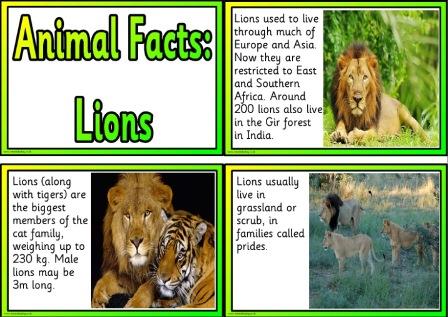
Here is an example of a DLO that was created about lions.

On your blog, post a final copy of your DLO..

Tuesday, January 1, 2019

Day 2: The air up there

Activity 2: Carbon Sinks Don’t Stink!

Every day a chemical compound called carbon dioxide (CO2) is produced and released into the air.  If it isn’t removed, it can become toxic for humans. Fortunately, there are a number of places where CO2 is absorbed (removed from the air). Two of the most common places are forests and oceans. They are called ‘carbon sinks’ because, like a sink, they gather, clean and drain things away that we don’t want. One of the largest carbon sinks in New Zealand is a forest in the south-western part of the South Island. It drains away 60% of our unwanted carbon!
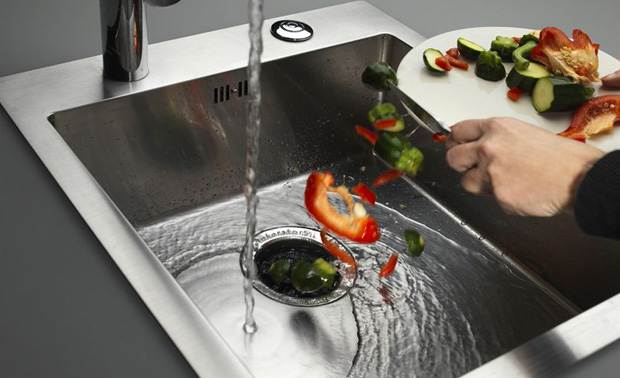
Let’s imagine that you could design a sink that could gather up and then drain away any foods that you don’t like. On your blog, tell us what you would put in your special sink. If it was me, I would put rice pudding, brussel sprouts, custard, parsnips, and seafood chowder in the sink. Yuck! What about you?

On your blog, list all of the foods that you would put in your special draining sink..
Celery
Capsicum
Tomato
Eggplant
Sardines
Tamarillo
Tuna
Blue cheese
Rice pudding
Parsnip
Fish

Monday, December 31, 2018

Week 3: up, up and away

This week we are focusing our attention on the sky. There is so much that we still don’t know about this environment but, from what we can tell, it is a pretty magical place. Let’s venture together into the unknown…

Day 1: A heated debate

Activity 1: Togs or Trackies?
New Zealand is a pretty lovely place to live, isn’t it? Apparently, New Zealand (NZ) is also a pretty lovely place to visit. In 2017 approximately 2-3 million people came to visit NZ as tourists. Some of them chose to come in the middle of our summer, while others braved it and came in the middle of winter! When do you think is the best time of year (season) to visit NZ?
If you would like some help making a decision, feel free to read the Go New Zealand website. It has lots of information about the seasons in NZ!
I, personally, encourage my friends and family from overseas to come and visit NZ in early spring. The weather is usually warm and dry and the tourist attractions, beaches and holiday spots are less busy than they are in the middle of summer.
On your blog, tell us what time of year you think is best for tourists for come and visit. Be sure to share at least three things that tourists could do while they were here in NZ.

Summer.
Reason 1: Because you get to go for swims at the beach! The best place to go cool down after a long, hot day :)
Reason 2: You can go kayaking around islands and maybe go for a swim if you didn't get the chance earlier in the day :)
Reason 3: Go parasailing!!!! Trust me, I have been on a parasail and I first felt scared when I first did it but when we were actually in the air it was amazing!! You get a birds eye view of everything! Its so amazing!


Activity 2: You are my Sunshine


People in New Zealand love spending time outdoors. Unfortunately, the sun is very powerful and the rates of skin cancer are incredibly high in New Zealand. In fact, they are higher than anywhere else in the entire world! To protect ourselves against skin cancer, we need to be careful about how much time we spend in the sun. We have to be ‘Sunsmart.’

Read the Sunsmart website.

On your blog, list five different things that we can do to protect ourselves from the sun this summer!
  1. Slip on a shirt
  2. Slip under some shade
  3. Slop on sunblock 
  4. Slap on a hat
  5. Wrap on some sunglasses