Pages

Thursday, January 3, 2019

Day 4 (this is a late one because I didn't complete this activity): Like a scene out of a movie

Activity 1: The Southern Lights
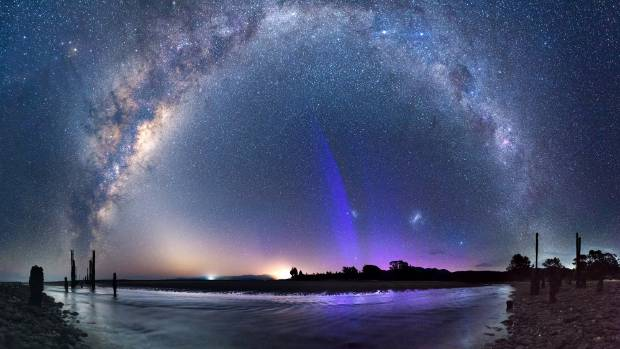
Once in a while a very special event takes place in New Zealand. It is a show of beautiful, bright lights that appear in the sky over the South Island. The lights are called the ‘Aurora Australis’ or ‘Southern Lights.’ They are similar to the ‘Northern Lights’ that are often seen in places like Northern Canada, Iceland, Sweden, Finland and Denmark. The southern and northern lights are so stunning that they often leave people, who are watching them, speechless.
For this activity, you are to write a short acrostic word poem about the beautiful lights. Hazel has written an acrostic poem about summer to give you an example.
S - Sun outside,
U - Umbrellas in the sand.
M -  My friends and I, having fun,
M - Making sandcastles,
E - Enjoying ice cream on a hot day,
R - Racing to the beach!
On your blog, use the word ‘LIGHTS’ to write an acrostic poem about the Southern Lights. Be as creative as you can!
For more information and examples of acrostic poems, check out this poetry website.

Lights as far as the eye can see
It attracts tourists all over the world
Going with friends and family
Heaps to see and do
The Southern Lights is a marvel to see
So why don't you go and see for yourself

Activity 3: Crazy, Cool Clouds [5 points]
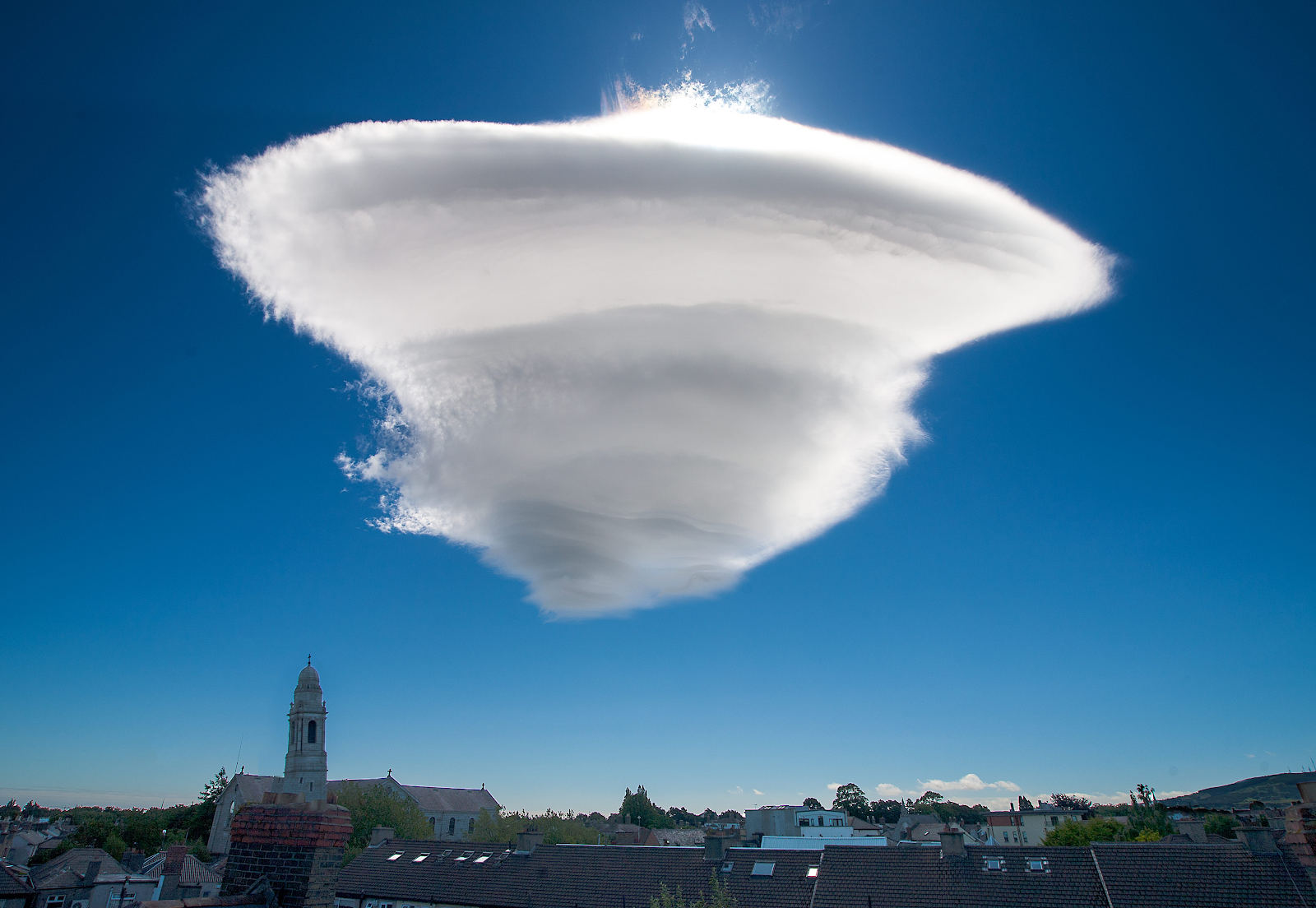
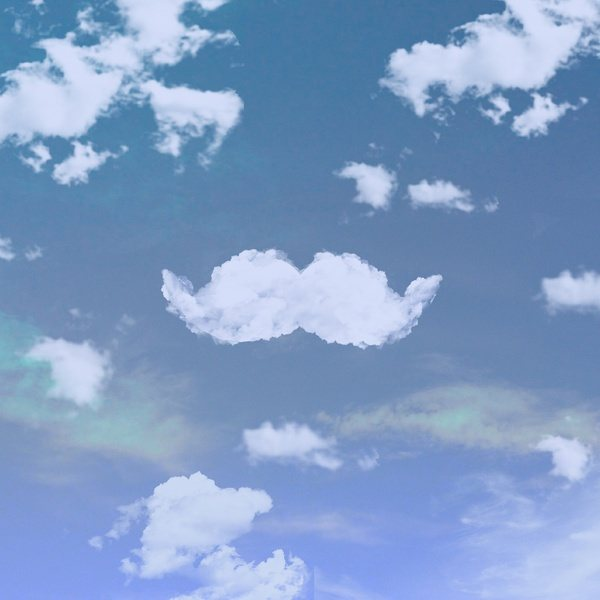
Have you ever looked up into the sky and seen a cloud that had a really cool shape? I certainly have, and so have dozens of other people. Take a look at the three pictures of crazy, cool cloud formations below.


From left to right: Picture 1, Picture 2, Picture 3
Clouds are formed when small drops of water stick together. To learn more about clouds and how they are formed, you can watch this cool video. Once you have learned about clouds, please choose your favourite cloud picture.

On your blog, tell us what you see in the photo. What shape(s) do you see? Be sure to tell us which picture (1, 2 or 3) you have chosen and describe what you see in lots of detail!


I chose picture 2.
This cloud has a very wacky structure. It must of taken a lot of water vapour to make. Most people might think it is a U.F.O and some might think it's a very funky looking, upside down pancake stack. There are many different ways to make out this cloud, not just my two examples.

Wednesday, January 2, 2019

Day 3: Taking flight

Activity 1: Bird of the Year!
Aotearoa New Zealand is home to many different kinds (species) of native birds.  Sadly, about a third of our native bird species are at risk of disappearing forever (becoming extinct).
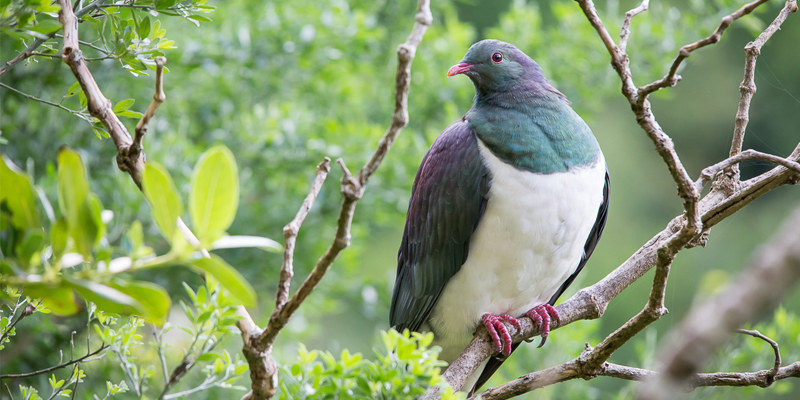
Each year, Forest and Bird New Zealand hold a ‘Bird of the Year’ competition where people can vote for their favourite native bird. This year, the winner was the kererÅ« (or woodpigeon).
Go onto the Bird of the Year website, look through the native birds on the site, and choose one that interests you.
On your blog, write a short description of your bird. Where does your bird normally live? What does your bird normally eat?  Post a picture of the bird underneath your description. Be sure to attribute your picture properly.
This honeyeater is endemic (native to) New Zealand. It mostly lives in Northland but it also lives in an adjacent (next to) area near Northland. 
Honeyeaters have a diet of nectar, sometimes insects, pollen, berries and sugary exudates (sap) of plants and sugary secretions of plant bugs (pysllids). 


Activity 2: Flying Foxes
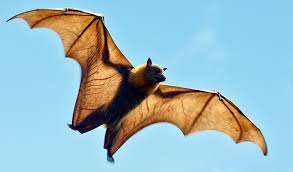
Not only is New Zealand home to many native birds but we also have a number of native bats. Some of these bats are really small while others are much larger. None, however, are as large as the largest bat in Australia. It is called the flying fox (pictured below) and it has a wingspan of up to 6 feet or 2 metres. Wow! That is taller than most of us!
Flying foxes usually sleep during the day and hunt for food at night, using their ears to guide them through the darkness. Like other bats, they have the best hearing of any mammal. It is their ‘superpower.’
If you could have a superpower, what would it be? If I could choose, I would like to be able to fly. It would make it possible for me to fly back to Canada and visit my family whenever I wanted. How amazing would that be?!
On your blog, tell us what superpower you would like to have and why you’d like to have it.
I think I would want super speed so I my chores wouldn't take so long. I could do fun things with my family and I might even be able to run from Paihia all the way to Auckland. It would save money and time.

Activity 3: Wind Beneath My Wings
Birds and bats are just two species of animal that are able to fly. Did you know that some fish, squirrels and snakes are also able to fly? Check out the ‘Top 10 Flying Animals of the World’ website to learn more about these incredible animals.
Once you have explored the site, choose one animal and create a digital learning object (DLO, eg. a poster) that tells us all about the animal. Be sure to include at least three interesting facts and a picture or two of your animal! Please follow these instructions for attributing your pictures properly.
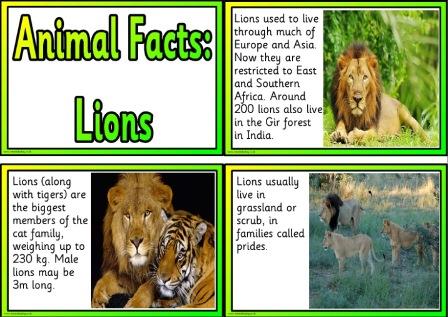
Here is an example of a DLO that was created about lions.

On your blog, post a final copy of your DLO..

Tuesday, January 1, 2019

Day 2: The air up there

Activity 2: Carbon Sinks Don’t Stink!

Every day a chemical compound called carbon dioxide (CO2) is produced and released into the air.  If it isn’t removed, it can become toxic for humans. Fortunately, there are a number of places where CO2 is absorbed (removed from the air). Two of the most common places are forests and oceans. They are called ‘carbon sinks’ because, like a sink, they gather, clean and drain things away that we don’t want. One of the largest carbon sinks in New Zealand is a forest in the south-western part of the South Island. It drains away 60% of our unwanted carbon!
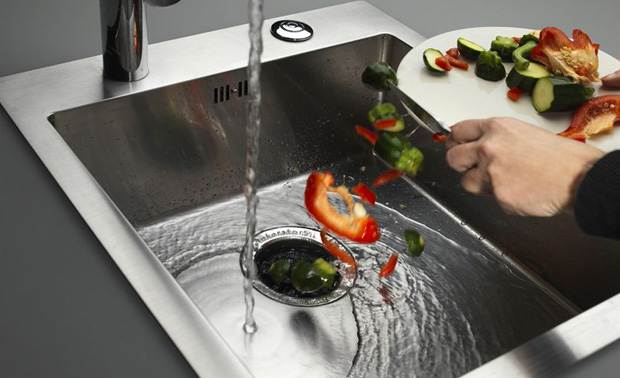
Let’s imagine that you could design a sink that could gather up and then drain away any foods that you don’t like. On your blog, tell us what you would put in your special sink. If it was me, I would put rice pudding, brussel sprouts, custard, parsnips, and seafood chowder in the sink. Yuck! What about you?

On your blog, list all of the foods that you would put in your special draining sink..
Celery
Capsicum
Tomato
Eggplant
Sardines
Tamarillo
Tuna
Blue cheese
Rice pudding
Parsnip
Fish

Monday, December 31, 2018

Week 3: up, up and away

This week we are focusing our attention on the sky. There is so much that we still don’t know about this environment but, from what we can tell, it is a pretty magical place. Let’s venture together into the unknown…

Day 1: A heated debate

Activity 1: Togs or Trackies?
New Zealand is a pretty lovely place to live, isn’t it? Apparently, New Zealand (NZ) is also a pretty lovely place to visit. In 2017 approximately 2-3 million people came to visit NZ as tourists. Some of them chose to come in the middle of our summer, while others braved it and came in the middle of winter! When do you think is the best time of year (season) to visit NZ?
If you would like some help making a decision, feel free to read the Go New Zealand website. It has lots of information about the seasons in NZ!
I, personally, encourage my friends and family from overseas to come and visit NZ in early spring. The weather is usually warm and dry and the tourist attractions, beaches and holiday spots are less busy than they are in the middle of summer.
On your blog, tell us what time of year you think is best for tourists for come and visit. Be sure to share at least three things that tourists could do while they were here in NZ.

Summer.
Reason 1: Because you get to go for swims at the beach! The best place to go cool down after a long, hot day :)
Reason 2: You can go kayaking around islands and maybe go for a swim if you didn't get the chance earlier in the day :)
Reason 3: Go parasailing!!!! Trust me, I have been on a parasail and I first felt scared when I first did it but when we were actually in the air it was amazing!! You get a birds eye view of everything! Its so amazing!


Activity 2: You are my Sunshine


People in New Zealand love spending time outdoors. Unfortunately, the sun is very powerful and the rates of skin cancer are incredibly high in New Zealand. In fact, they are higher than anywhere else in the entire world! To protect ourselves against skin cancer, we need to be careful about how much time we spend in the sun. We have to be ‘Sunsmart.’

Read the Sunsmart website.

On your blog, list five different things that we can do to protect ourselves from the sun this summer!
  1. Slip on a shirt
  2. Slip under some shade
  3. Slop on sunblock 
  4. Slap on a hat
  5. Wrap on some sunglasses

Friday, December 28, 2018

Day 5: wasting away

Activity 1: Off the Menu [4 points]
Fishing is a really common activity in New Zealand. In fact, people have fished in New Zealand for centuries. Unfortunately, over the past few decades some people have caught too many fish in one area and left the region without enough fish to refill (replenish) the stocks. When this happens we call the area ‘overfished’ and it is closed to all private and commercial fishing. If people are caught fishing in these areas, they are required to pay a fine (money). The maximum fine for fishing in a restricted area is $100 000.
What do you think about this rule? Is it fair that people are charged up to $100 000 for overfishing?
On your blog, tell us what you think about this rule and why you think it!
I agree with it but I think it is a bit too much money. Some people might just be fishing because they don't have enough money to buy fish from the supermarket. This then puts emotional strain on them because they don't have enough money.

Activity 2: The Black Drain
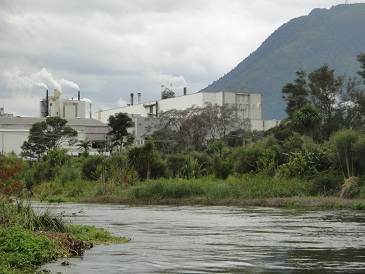
Approximately two-thirds of all rivers and one-half of all lakes in New Zealand are too polluted to swim in, according to a recent article in an online newspaper. One of the most polluted is the Tarawera River in the Bay of Plenty region of New Zealand. Pollution enters the river from a local pulp and paper mill, from local farms and through the local sewage system. Many other rivers in New Zealand are also polluted with waste from businesses and farms.
Use Google to help you find two other polluted rivers in New Zealand.

On your blog, tell us:

1) The names of the rivers. 2) The location of the rivers. 3) What is being done to clean up the rivers (if anything).

Activity 3: Faded Glory
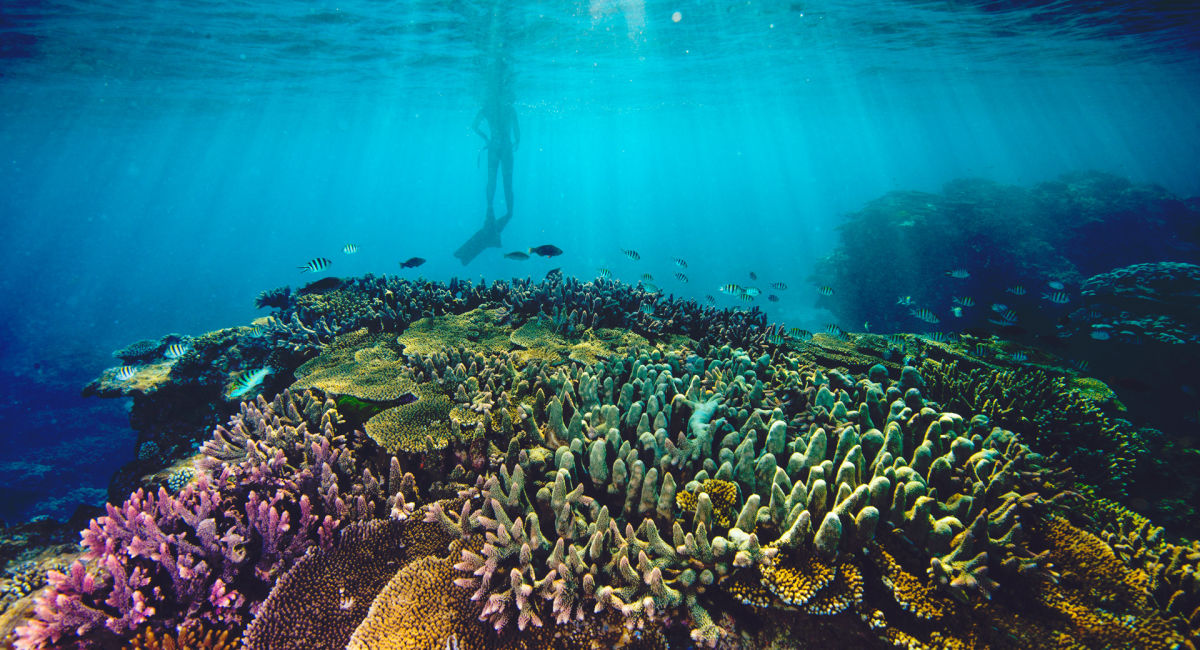
The Great Barrier Reef is the world’s largest coral reef system, made up of 2900 individual reefs. It is so big that it can actually be seen from space! The reef is located on the east coast of Australia and many people believe that it is millions and millions of years old. For most of its life, the reef has been a healthy, vibrant ecosystem. Over the past thirty years, however, it has changed dramatically. Much of the beautiful bright coral has become bleached and has lost its colour. Sections of the reef have also been damaged by tourists, cyclones and the introduction of new, damaging invasive species.
The Australian government is working to protect and preserve the reef. Each year they spend about $200 million dollars repairing and protecting the reef. It is a lot of money and they could really use some help raising the money (funds) required to repair the reef. This is where you come in!
On your blog, list three different ideas or strategies for raising funds to preserve the Great Barrier Reef. What could you do to fundraise here in New Zealand?

1. Perform Kapahaka. There would be a sign to inform people what we are fundraising for and see that we are fundraising for a good cause.
2. Bake sale. Who doesn't like some homemade baking?! You could be as creative as you like. You could have theme's (namely under the sea because, well... Great Barrier Reef), you could go all out, making great big cakes. The possibilities are endless.
3. Raffles. You could make heaps of cool and fun prize bundles. Again, like the bake sale, the possibilities are endless.

Thursday, December 27, 2018

Day 3: First you sea me, now you don't

Activity 1: Night Owls
Here in New Zealand we have many amazing and unique sea creatures, including penguins. The blue penguin, or kororā, is particularly special because it is the smallest penguin in the entire world! Blue penguins are typically found on the east coast of the South Island in places like Oamaru but they can be hard to spot as they rarely leave the water. If they do come onto land it is usually at night, when most of us are sound asleep! That’s because they are nocturnal. Not all of us, however, sleep all night. In fact, some people love to stay awake late into the evening. People who like to stay up late are called ‘night owls.’ Are you a night owl or are you an early riser, like me? I typically wake up every day around 6:00 a.m. and jump out of bed, ready to start the day!
On your blog, tell us whether you are a night owl or an early riser. Then, tell us about the rest of your family. Are they the same as you?
I am a night owl. I prefer going to sleep then waking up. You usually see me on my iPad. On School nights I stay up till 8:30 (which is very late for me on a school night). On the weekends, it depends. I still go to sleep Relatively early.
My brothers are definitely night owls. They like staying up and don't go to sleep easily unless the are playing the Playstation, watching Pj masks (a tv program for kids) or being on technology in general.
My mum is also a night owl. She tries to wake us up early by putting on an alarm but we never wake up because we are fast asleep.

Activity 2: A Local Delicacy
Whitebait is a very special fish in New Zealand. It is rumoured (believed) to be a very delicious fish. Some restaurants in New Zealand make dishes that feature whitebait, including whitebait fritters. Have you ever tried whitebait fritters? They are a favourite dish of many of my friends. I, personally, prefer foods from places like Mexico and Italy. Pizza and nachos are two of my all-time favourite foods! In fact, I often make homemade pizza with Aronui on Friday nights using the same ingredients (pizza base, tomato sauce, mozzarella cheese, sun-dried tomatoes, chicken, red onion, basil and feta cheese) each time.
For this activity, please choose a favourite food and find a recipe for it.
On your blog, share a list of the ingredients that you need to make this food. You must type out the list of ingredients yourself (and not simply copy and paste it from a website) to earn full points.
My mum's shepherds pie ( I have seen her make this so I haven't copied this off a site)
Ingredients:
Potatoes
Mince
Peas, corn, carrots
Cheese
Shepherds pie sachet (you can get these at the supermarket)

Tuesday, December 25, 2018

Day 2: Fabulous Flora

Activity 1: Weaving a Tall Tale…
There is a long history in New Zealand of collecting natural plants, including flax (harakeke), and using them to create cloaks, baskets (kete), mats, traps and ropes. Flax weaving is an art form. It can take years for people to perfect the art of weaving. Have you ever tried it?
For this activity, you are asked to watch a short video of someone weaving a fish (ika) out of flax.
On your blog, tell us whether or not you would like to try flax weaving. Does it interest you? Why or why not?
I would love to weave again. I haven't woven again and I see very interesting. It would be fun to make.

Activity 2: Mighty Mangroves
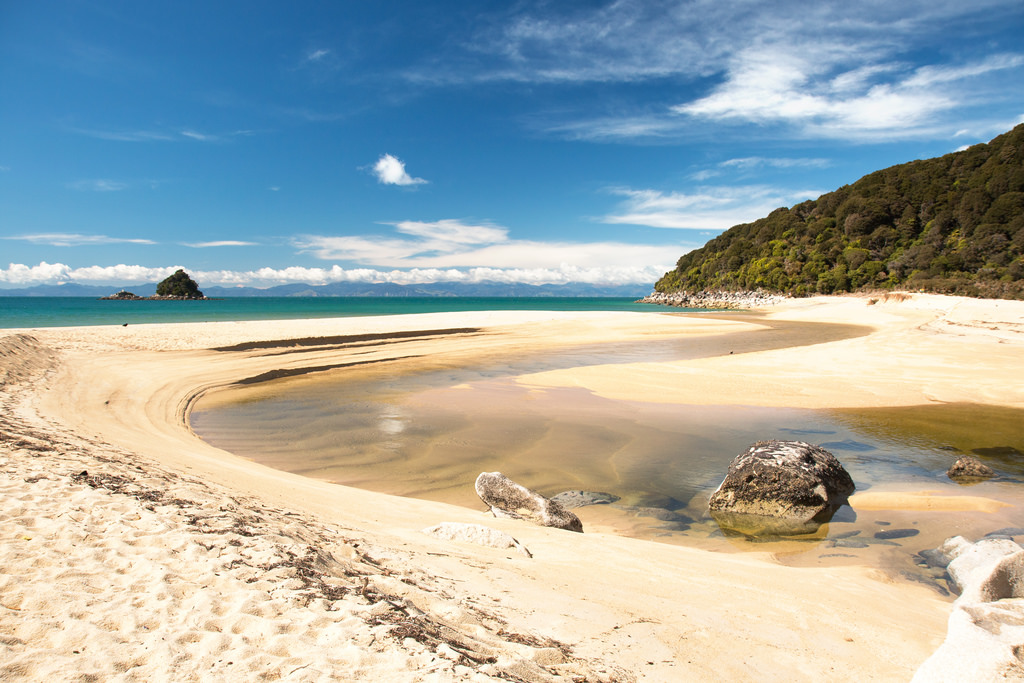
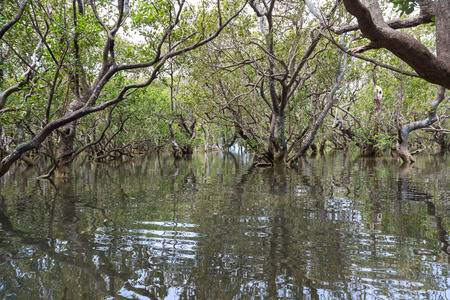
Here in New Zealand we have a native tree called a Kiwi Mangrove. Kiwi Mangroves grow in shallow water (harbours). The largest mangrove or manawa forests in New Zealand are located in Northland and in Auckland. According to many environmental experts, they are one of the toughest and strongest trees in the world because they can survive in really harsh (difficult) conditions.
For this activity you are asked to think of someone who is very tough and strong. They can be someone who you know personally or they can be a character that you have read about in a book, seen in a movie, or on a television show.

On your blog, tell us about this person. Who are they? Why are they, in your opinion, so strong and tough?
Annabeth Chase. She is a character in the book Percy Jackson and the Olympians. She may not have special powers like the rest of her friends but she is smart and uses battle strategy to get out of situations. And she is also very good with her dagger when an opportunity comes. Those are the reasons why I think she is tough and strong. Oh, and she has helped saved the world countless times.


Activity 3: Stranger than Fiction
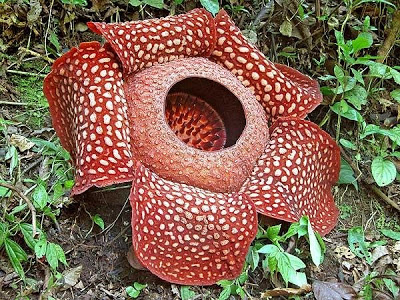
Here on earth there are more than 298 000 different kinds (species) of plants. Some of these plants live on land and some live in the water. Follow this link to read about 10 of the strangest plant species in the world. When you are finished, choose two of the plants from the list.


On your blog, list three similarities and three differences between the two plants that you chose. To earn five extra bonus points, post a picture of both plants on your blog..